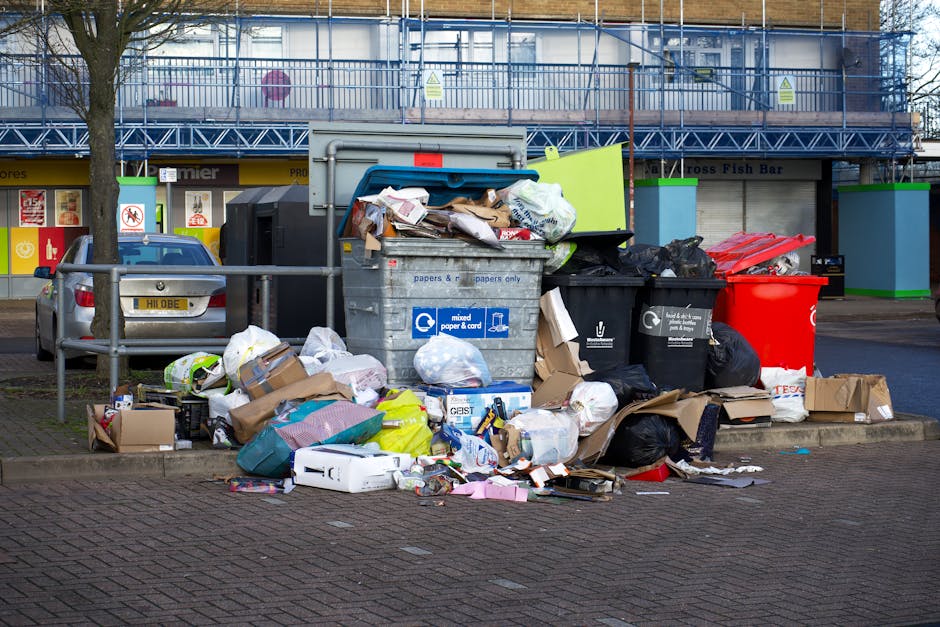
Commercial Waste in Holborn for straightforward business collections

Commercial waste in Holborn needs a practical service that keeps premises clear, supports sorting at source and removes rubbish without getting in the way of trading. We handle routine business waste removal for offices, studios, shared workspaces, shops and hospitality premises, with a focus on sensible collection plans and responsible disposal. If your business wants a regular clear-out or a one-off uplift, the work can be planned around what is actually on site, rather than forcing you into a one-size-fits-all arrangement.
Our service covers mixed non-hazardous commercial waste, bulky items, office contents and other day-to-day business refuse that is suitable for licensed collection. That can include desks, chairs, packaging, archived paperwork, fittings, loose rubbish and general premises clearances. Where items need separating for recycling or specialist handling, we sort those decisions into the collection plan so you know what can be taken together and what should be managed separately. Clear communication at the start helps keep the collection efficient and keeps the final load aligned with your needs.
For a price discussion, it helps to have a simple outline of the waste type, access, the amount involved and any time constraints. If you already know your collection pattern, we can work from that; if not, we can review the job on its own merits and suggest a suitable approach. Start with the waste you need moving, then build the rest of the booking around practical details rather than guesswork.
Business waste collections planned around your premises
Different commercial sites produce different kinds of waste, and a useful collection service should reflect that. An office may need bulky furniture removed alongside paper, electronics and packaging, while a retailer may mainly want mixed rubbish, old shelving and back-of-house clutter cleared. We can help with those everyday requirements as part of a business waste removal service, keeping the collection approach focused on what is present rather than adding unnecessary extras.
If your waste stream is predictable, regular collections can be arranged so bins, bags or stored items do not build up beyond what your team wants to keep on site. Where the quantity varies, occasional clearances can be a better fit. The key is to choose a method that matches the rate at which waste appears, the physical space available and the way your staff use the premises. That way, the service remains orderly and the collection itself stays manageable.
What a business clearance can involve
Commercial clearance work is often broader than simply taking away black bags. It may include dismantled office furniture, surplus stock, cardboard, shelving, reception items and the contents of storage rooms that need a proper sort before removal. In some cases the job also needs attention to access routes, loading points or timed entry to a building. When those points are clear from the outset, the collection can be organised with fewer delays and less disruption to nearby work.
Office waste removal for working environments
Office waste removal is often about keeping shared areas usable while older items are taken out of service. We can remove office chairs, desks, pedestals, filing cabinets, monitors, printers, loose equipment and accumulated packaging, along with the ordinary rubbish that comes from reorganisation or moves. If the office has become crowded with items waiting for a decision, a targeted collection can help clear the room without requiring a full strip-out.
When planning office waste collections, it is useful to separate reusable furniture from broken items, and general waste from anything that may need special handling. Paperwork, electronics and mixed furniture often sit in different categories once a collection is being organised, so it helps to decide early what stays with the office and what leaves. That distinction matters because it affects both the route of disposal and the most efficient way to load the vehicle.
For larger or phased clearances, it can be sensible to divide the work by area: desks first, then storage and loose rubbish, then any remaining bulky items. This keeps staff movement easier and avoids filling hallways or meeting rooms with items that are already destined to go. If you are preparing a quotation request, a brief list of the main items is usually enough to begin with, followed by any access notes or building rules that affect the collection.
Bulky items and furniture from commercial spaces
Many business waste jobs are really furniture jobs in disguise. Once an office, café or shop starts replacing fixtures, the unwanted items quickly become the main bulk of the collection. We deal with furniture disposal as part of the wider commercial waste service, including tables, chairs, shelving, storage units, counters and similar items that no longer suit the premises. Where furniture needs to be taken apart, that is usually handled as part of the loading process.
Choosing the right collection for furniture depends on condition, quantity and how tightly the items are arranged. A few office chairs are different from a full room of cabinets, and both are different again from a combination of desks, display units and loose fittings. The more clearly the items are grouped, the easier it is to plan removal. If materials can be separated into wood, metal, mixed components or upholstered pieces, the sorting process becomes more straightforward.
Some businesses prefer to clear furniture first and then deal with smaller waste once the floor space has opened up. Others want everything moved in one visit so the room can be handed back, redecorated or reused. Either approach can work, provided the scope is set properly. Well-defined scope is usually the difference between a smooth collection and a messy one, especially in premises where movement space is limited.
How to prepare a useful quotation request
A good quotation starts with accurate basics rather than a long explanation. If you are contacting us about commercial waste in Holborn, it helps to note the type of premises, the main items to be removed, whether the job is a one-off or part of an ongoing arrangement, and any access issues that may affect loading. Photographs can also help when the waste is stacked in a store room or split across several floors, because they show both the volume and the type of material involved.
For many jobs, a concise inventory is enough: furniture, bags, cardboard, appliances, archive boxes, fixtures or mixed rubbish. If there are items that must stay on site, say so clearly so the collection plan can be built around them. Where timing matters, give the earliest convenient window and any building restrictions such as loading bay rules or lift use. This keeps the enquiry focused and makes the quotation more relevant to the actual work.
- State the main waste categories and whether any items are bulky.
- Note the access route, floor level and any security or booking steps.
- Mention whether the job is one-off, periodic or linked to a move.
- Highlight anything that should be left behind or handled separately.
Non-hazardous waste streams and responsible sorting
Commercial waste is not a single material stream, and a proper collection should respect that. Office refuse, packaging, furniture and general business rubbish may all need different treatment once they leave the premises. We can assist with the removal of mixed non-hazardous waste and with the practical sorting that helps separate recyclable materials from general disposal loads. This is useful where the site generates repeated waste types rather than a single pile of mixed items.
Responsible sorting begins on site, before the vehicle is loaded. Cardboard, paper, metal, wood, plastics and reusable items all behave differently in transit and at the point of disposal, so the clearer the initial separation, the better the outcome. Businesses that generate recurring waste often find it easier to keep separate containers or zones for different types of refuse rather than allowing everything to merge. That keeps the collection clearer and can reduce unnecessary handling.
If your premises create a mixture of everyday rubbish and occasional bulky items, it is often sensible to combine those into one planned uplift rather than arranging several disjointed visits. This avoids repeated disruption and helps the team work through the site in a logical order. When the collection is shaped around the waste itself, rather than around a fixed template, it is easier to keep the job efficient and the premises usable.
Pricing factors for commercial waste removal
Commercial waste pricing is usually shaped by a small group of practical factors: the amount of waste, the type of material, how easy it is to load and whether the job needs extra sorting. Access can matter as much as volume, especially where items are on upper floors, in basements or behind security doors. If the waste includes heavy furniture, awkward fittings or a large quantity of bagged rubbish, that will also affect how the collection is planned.
It is often more helpful to think in terms of collection complexity than to count items loosely. Ten office chairs stored neatly beside a loading area are different from ten chairs spread across several rooms. Likewise, a stack of cardboard waiting by a door is simpler than a mixed room of packaging, broken furniture and old equipment. The quotation process works best when these differences are described plainly, because the collection can then reflect the actual labour involved.
For businesses that want tighter control over spending, it can be useful to compare a one-off clearance with a recurring arrangement. A recurring plan may suit sites that generate the same waste at predictable intervals, while one-off work may be better for moves, refurbishments or end-of-lease clearances. Either way, a sensible quote should follow the waste profile, not the other way around.
About Holborn
Holborn is a central London district that sits between the City of London and the West End, and it has long been associated with legal, educational and commercial activity. The area takes its name from the old River Holborn, a lost watercourse that once ran through the valley now covered by modern streets. Its position has made it a busy route for centuries, and traces of that layered past still appear in the mix of older buildings, institutional landmarks and later office development. The district includes well-known streets such as High Holborn and Kingsway, both of which reflect the area’s role as a connector rather than a self-contained enclave. The neighbourhood around Lincoln’s Inn Fields adds open space and a calmer architectural rhythm, with Georgian terraces and formal institutional fronts giving way to larger blocks and later commercial buildings nearby. Museums, theatres and colleges contribute to the local character, while the legal quarter around the Inns of Court keeps a strong professional identity. St Andrew Holborn and other historic churches add depth to the streetscape, and the surviving pattern of lanes and squares gives the area a sense of continuity despite modern redevelopment. Holborn’s identity is therefore shaped by contrast: old and new, civic and commercial, busy thoroughfares and quieter courts, all packed into a compact central London setting.
Clearance options for different business needs
Not every commercial site needs the same type of waste support. A short office declutter may only require a few items and some bagged rubbish to be removed, while a larger commercial changeover may involve stored stock, redundant furniture and general refuse from several parts of the premises. By matching the collection to the actual task, the service can stay targeted and avoid unnecessary disruption to working areas. That is especially useful where staff still need to use part of the building during the clearance.
When a business is planning for a refit, relocation or end-of-tenancy handover, the waste list often grows quickly. Items can come from desks, storerooms, back offices, meeting rooms and shared break spaces, all of which may have different access routes. In those situations, it helps to think in zones. Separate what can be removed early from what has to remain in place until the final day, and decide which items need dismantling before they can leave. This keeps the clearance orderly and reduces the chance of missed pieces.
Some sites also benefit from staged removals, especially where there is ongoing trading or phased refurbishment. Removing waste in sections can make it easier to protect the floor, manage staff movement and keep essential rooms available. Staging matters because it lets the collection follow the building’s actual rhythm instead of interrupting everything at once. If your business needs that kind of approach, it is worth setting it out clearly when you ask for a quotation.
Useful details to include with your enquiry
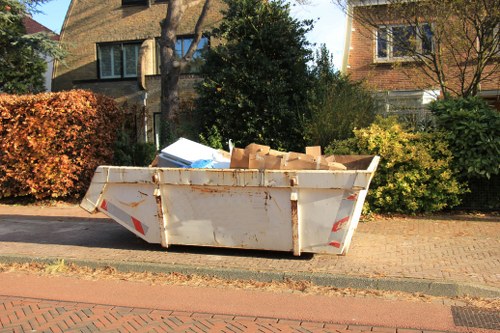
When you want a quotation for commercial waste in Holborn, the most useful details are usually the simplest ones. Say what kind of premises you have, what needs to go, where it is stored and how soon you want the work completed. If the waste is spread across more than one room or floor, mention that too. A clear description at the start makes it easier to respond with a realistic plan, especially if the job includes heavier items or awkward access.
It also helps to note whether any items are confidential, fragile, fixed in place or mixed with other materials. That does not mean the job becomes complicated by default; it simply means the collection can be scheduled with the right handling in mind. If you are comparing possible disposal options, ask for the collection to be scoped against the actual contents rather than against a generic estimate. That keeps the discussion practical and avoids confusion later.
If you are ready to arrange commercial waste removal, send the job details and ask for a quotation. We can then review the collection requirements and set out the next steps in a way that suits your premises.