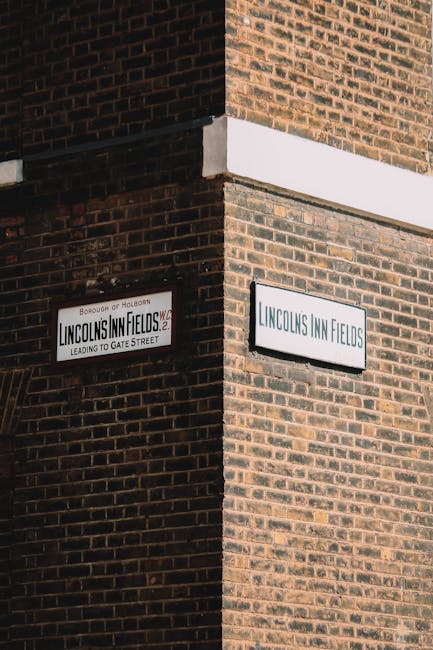
Household rubbish tips for residents near Lincolns Inn Fields Holborn

If you live near Lincoln's Inn Fields in Holborn, rubbish can build up faster than you expect. A tight flat, a busy stairwell, or a shared bin store can turn a simple clear-out into a small headache. Household rubbish tips for residents near Lincolns Inn Fields Holborn are really about making that process calmer, safer, and more manageable.
Whether you are tackling a weekly reset, clearing out after a move, or dealing with bulky items that nobody wants to drag down the stairs, the aim is the same: get rid of waste properly without creating hassle for yourself or your neighbours. In this guide, you will find practical steps, local-minded advice, a comparison of disposal options, and a realistic checklist you can actually use. Nothing fluffy. Just useful stuff.
Quick takeaway: sort first, separate recyclables, keep hazardous items out of mixed rubbish, and choose the disposal method that fits the size and urgency of the job. That one habit saves time, reduces mistakes, and usually makes the whole job feel less grim.
Why Household rubbish tips for residents near Lincolns Inn Fields Holborn Matters
Living in central London changes the way household waste works. Space is tighter, storage is limited, and a few bags left in the wrong place can quickly become everyone's problem. If you are near Lincoln's Inn Fields, you are likely dealing with a mix of residential streets, period buildings, and flats where access can be awkward. That makes smart rubbish handling less of a nice-to-have and more of a daily reality.
It matters for three straightforward reasons. First, the area is busy, so waste left out carelessly can attract complaints or block access. Second, many residents are managing shared bins, narrow hallways, and timed collections. Third, household rubbish is not all the same. General rubbish, glass, food waste, small electricals, and bulky furniture each need a different approach. Mix them up and you can make extra work for yourself. Bit annoying, really.
There is also a practical side. Clear sorting helps you reclaim space faster, keep odours down, and avoid the classic "I'll deal with it later" pile that somehow grows legs. If you have ever opened a cupboard and found broken lamps, old chargers, and a kettle you forgot existed, you know exactly what we mean.
For residents in Holborn, this is especially useful when you are moving out, hosting guests, refreshing a flat, or managing post-renovation clutter. A sensible plan protects your time and your sanity. That counts for a lot on a Monday morning.
How Household rubbish tips for residents near Lincolns Inn Fields Holborn Works
The process is simple in theory, but the details matter. Start by identifying what type of waste you have. Then separate it into manageable groups. After that, decide whether it can go into normal household disposal, local recycling routes, a bulky-item pickup, or a specialist service.
In many homes, the waste stream usually breaks down like this:
- General household rubbish: non-recyclable everyday waste such as packaging, tissues, broken odds and ends, and mixed residue.
- Recyclables: paper, cardboard, clean plastics, metal cans, glass, and similar items if your disposal route accepts them.
- Food waste: leftovers, peelings, and spoiled food that should be kept separate where possible.
- Bulky waste: items like old chairs, mattresses, wardrobes, and appliances that do not belong in normal bags.
- Special items: fridges, freezers, paint, chemicals, batteries, and anything classed as hazardous or restricted.
If you are dealing with a flat clearance, loft clear-out, or a full house reset, the most efficient approach is to sort before you touch the front door. That sounds obvious, but in practice people often start hauling bags downstairs first and sorting later. Later rarely comes. We have all seen the hallway sacrifice.
For larger jobs, residents often compare DIY disposal, skip hire, and professional rubbish removal. The right choice depends on volume, access, speed, and what exactly needs to go. If you want to understand what counts as safe skip content, this guide to what can go in a skip is a useful place to begin.
Key Benefits and Practical Advantages
Good rubbish handling is not just about tidiness. It has real day-to-day benefits, especially in a built-up place like Holborn where space is precious and everyone notices a messy landing.
- Less clutter: Your home feels bigger, calmer, and easier to clean.
- Fewer odours: Sorting food waste and damp packaging quickly helps control smells.
- Safer movement: Clear floors and hallways reduce trip hazards, which matters in smaller flats and stairwells.
- Better recycling: Clean separation makes it easier to send more material the right way.
- Less neighbour friction: Nobody likes a bag left in the wrong spot or a pile by the bin store.
- Faster clear-outs: Once you have a system, the job stops feeling like a weekend lost to chaos.
There is also a subtle mental benefit. A home with rubbish under control just feels easier to live in. You notice it when you walk in after work and the place smells fresh instead of stale. Small thing, big difference.
For residents in flats, this can be even more valuable. Tight spaces fill up quickly, and an organised disposal plan helps avoid that awkward situation where furniture is squeezed beside the bed for three weeks because nobody wants to move it. Truth be told, that is very London.
Who This Is For and When It Makes Sense
This advice is useful if you are:
- a tenant clearing a flat before or after a move;
- a homeowner doing a seasonal clean-up;
- someone handling a bereavement or estate-related tidy-up;
- a resident replacing furniture or appliances;
- someone who has accumulated too many "temporary" items in storage;
- a landlord preparing a property for new occupants;
- anyone near Lincoln's Inn Fields who needs a practical waste plan, fast.
It also makes sense when the job looks small at first and then turns into a proper pile. One broken wardrobe becomes two sacks of packaging, a bag of screws, a lamp, and somehow an old vacuum cleaner that probably should have been retired years ago. Happens all the time.
If your waste is mostly furniture, mixed household items, or a full room clear-out, you may want to look at services such as house clearance, home clearance, or flat clearance. Those are especially helpful when access is awkward or time is tight.
Step-by-Step Guidance
If you want a clean result without the usual stress, follow a simple sequence. It does not need to be fancy. Just consistent.
- Walk the space first. Look at what needs to go and separate it by type: general rubbish, recycling, bulky items, and anything unusual.
- Check for special items. Fridges, freezers, electronics, and hazardous materials should be identified early. Do not leave this until the last minute.
- Use sturdy bags or boxes. Thin bags split at exactly the wrong moment. Always.
- Flatten and compress where possible. Cardboard, packaging, and soft items take up far less space once broken down.
- Keep recyclables clean and separate. Food residue on packaging can reduce what can be recycled.
- Stage bulky items near the exit only when you are ready. This keeps hallways clear and avoids clutter building up indoors.
- Decide on disposal method. Use normal collection, take items to a suitable disposal route, or book a removal service if the load is too large.
- Do a final sweep. Check cupboards, under beds, behind doors, and in forgotten corners. The hidden item is often the one that causes the delay.
A small tip from real-world experience: keep a "donate," "recycle," and "bin" pile if you can. Even if you only do it on the floor of the living room for an hour, it stops everything turning into one giant mixed heap. And mixed heaps are where good intentions go to sleep.
If your disposal job includes worn-out furniture or a heavy mattress, it may be easier to use a dedicated route such as mattress and sofa disposal or furniture disposal. That can save a lot of lifting, and your back will thank you later.
Expert Tips for Better Results
These are the habits that tend to make the biggest difference in practice.
1. Sort before you carry
Do the decision-making inside the property, not at the bin store. Once you start moving mixed waste around, it becomes harder to sort properly. In our experience, this is where people lose the most time.
2. Keep liquids and food out of mixed rubbish where possible
Even a small amount of food liquid can make a bag smell quickly, especially in warm weather or in a building where waste sits for a while before collection. It is not glamorous advice, but it works.
3. Use the right service for the right item
A fridge is not the same as a chair. Builders' debris is not the same as a pile of soft furnishings. If you are also dealing with renovation waste, take a look at builders waste clearance so you do not guess your way through the job.
4. Plan around access
Near Lincoln's Inn Fields, access can be the real issue. Narrow stairs, controlled entries, and waiting for a lift can turn a simple task into a slow one. If you are in a top-floor flat, fewer trips matters more than people think.
5. Don't ignore appliance disposal
Old appliances are awkward, heavy, and often the thing that gets left until last. If you are replacing a fridge or freezer, a specialised service like fridge and appliance removal is usually the calmer option.
6. Be realistic about time
A kitchen clear-out can take an afternoon. A full flat tidy-up can swallow a whole day. That is not failure; it is just the nature of household waste. Plan for more time than you think you need, and you will be less frazzled.
Common Mistakes to Avoid
Most waste problems are not dramatic. They are just a series of small missteps that pile up. Here are the ones we see most often.
- Mixing hazardous items with general rubbish. Paint, batteries, chemicals, and similar items need careful handling.
- Leaving bulky waste in hallways. This can create safety issues and annoy neighbours very quickly.
- Forgetting about appliances. These need planning, especially if they are large or still contain fittings.
- Overfilling bags. Heavy bags split, and split bags create a mess nobody enjoys.
- Assuming everything is recyclable. Some packaging looks recyclable but is contaminated, laminated, or otherwise unsuitable.
- Waiting until the last minute. Rush jobs usually create avoidable stress.
Another common one: people set aside a "maybe keep" pile and then forget about it. That pile becomes a permanent resident. If you are not sure, put a decision date on it and stick to it. Slightly strict, yes. Surprisingly effective too.
Tools, Resources and Recommendations
You do not need a lot of equipment, but the right basics make the job smoother.
- Strong refuse bags: useful for general rubbish and mixed lightweight waste.
- Boxes or crates: helpful for sorting items that might be donated, recycled, or kept.
- Gloves: sensible for dusty lofts, old storage cupboards, and broken items.
- Marker pens and labels: simple but effective when different people are helping.
- Dust sheets or old towels: useful if you are carrying items through carpeted areas.
- Measuring tape: handy if you are checking whether a sofa, mattress, or cupboard can get through a doorway intact.
If you need to compare removal approaches, it helps to read service information in a calm order rather than browsing half-asleep after dinner. For example, pricing and quotes can help you think through budget, while recycling and sustainability is useful if you want to reduce what ends up as residual waste.
If you are dealing with valuables, private papers, or old files from a home office, confidential shredding is worth considering. Paperwork has a funny way of lingering in a drawer for years, then becoming urgent all at once.
Law, Compliance, Standards, or Best Practice
Household rubbish disposal in the UK is not something to treat casually. You do not need to become a legal expert, but a few basic principles matter.
First, waste should be handled responsibly and not fly-tipped, left in communal areas, or dumped beside overflowing bins. Even when an item feels harmless, leaving it in the wrong place can cause nuisance, safety issues, and possible enforcement problems.
Second, hazardous or special waste should not be treated like ordinary rubbish. Items such as batteries, chemicals, paint, gas-related containers, and some electrical items may need separate handling. If you are unsure, the safest practice is to keep them apart until you can identify the correct route.
Third, if you use a rubbish removal company, it is sensible to check that their processes, insurance, and safety approach are clear. That kind of due diligence is just good practice. You are letting someone handle waste around your home, after all. Better to ask the simple questions early than to regret it later.
If your home clear-out involves heavier loads, shared access, or items that could be awkward to move, choose a provider with clear standards for handling and transport. A straightforward approach to insurance and safety is part of that picture. So is knowing the terms you are agreeing to, which is why terms and conditions should not be skipped in a hurry.
Best practice, in plain English: separate waste early, avoid unsafe handling, and only use methods that fit the item and the access conditions. It is boring advice, but boring advice prevents annoying problems.
Options, Methods, or Comparison Table
There is no single best method for every household. The right choice depends on volume, item type, and how quickly you need the space back.
| Method | Best for | Strengths | Limitations |
|---|---|---|---|
| Regular household collection | Small volumes of everyday rubbish | Simple, familiar, low effort | Not suitable for bulky items or special waste |
| Recycling separation | Clean paper, cardboard, glass, metal, and suitable plastics | Reduces residual waste and supports better sorting | Needs more discipline and space at home |
| Skip hire | Larger jobs with enough space for a skip | Good for substantial clear-outs and ongoing work | Access, permits, and item restrictions may apply |
| Man and van rubbish removal | Bulky items, mixed loads, or quick clearances | Fast, flexible, and often easier in tight city access | Depends on load type and service scope |
| Specialist disposal service | Appliances, mattresses, furniture, hazardous items | Better handling for awkward or restricted waste | Must match the item to the right service |
For many residents near Lincoln's Inn Fields, the most practical answer is a blend: use normal disposal for everyday waste, recycle what you can, and bring in a specialist service for the bulky or awkward stuff. That mix is often more efficient than trying to force everything into one method. Less drama, fewer trips, better outcome.
Case Study or Real-World Example
Here is a realistic example. A resident in a second-floor flat near Holborn decides to clear out before a tenancy change. The flat has one wardrobe to dismantle, a mattress, a few bags of mixed waste, and an old fridge in the kitchen. Nothing extreme, but enough to become a problem if handled piecemeal.
At first, the temptation is to start with the easy bags. But the resident takes a different route: the fridge is identified first, the wardrobe is dismantled into manageable sections, and the mattress is separated so it does not get mixed into general rubbish. Packaging, broken bits, and paper waste are bagged separately. By the time collection day comes around, the hallway is clear, the lift trips are fewer, and the whole flat looks much more manageable.
That is the real lesson. A decent plan does not need to be complicated. It just needs to be consistent. One or two smart decisions early on can save a lot of bent backs, awkward lifting, and "where on earth does this go?" moments.
Practical Checklist
Use this before you start moving anything out of the property.
- Have I separated general rubbish from recycling?
- Have I identified anything hazardous, fragile, or restricted?
- Do I know which items are bulky and need extra help?
- Are all bags strong enough to carry safely?
- Have I planned the route through hallways, stairs, or lifts?
- Do I need a furniture-specific or appliance-specific service?
- Have I checked whether the waste can be reused, donated, or recycled first?
- Is there enough space to stage items without blocking access?
- Have I read the service details and terms if I am booking help?
- Do I have a final sweep plan so nothing gets left behind?
Mini tip: if you are unsure about one item, isolate it rather than forcing it into the wrong pile. One wrong item can contaminate a whole bag. Not ideal.
Get a free quote today and see how much you can save.
Conclusion
Household rubbish tips for residents near Lincolns Inn Fields Holborn come down to a simple idea: sort early, stay realistic, and choose the right disposal route for each type of waste. That approach keeps your home clearer, your waste handling safer, and your day much less stressful.
If you live in a flat, are managing a bulky clear-out, or just want a neater and more efficient way to deal with household waste, the best results usually come from a bit of planning rather than a heroic last-minute effort. You do not need perfection. Just a workable system.
And honestly, once the bins are sorted, the hallway is clear, and the clutter is gone, the whole place feels lighter. That is a good feeling. One of the better ones, actually.
Frequently Asked Questions
What is the best way to handle household rubbish in a flat near Lincoln's Inn Fields?
The best approach is to sort waste at source, keep recyclables separate, and move bulky or special items through the right disposal route. In flats, access and storage matter just as much as volume, so planning ahead saves time.
Can I put all household rubbish into one bag and deal with it later?
You can, but it is usually a bad idea. Mixed bags are harder to recycle, heavier to carry, and more likely to smell or split. Separate waste now and you will have fewer problems later.
What should I do with a broken fridge, freezer, or other appliance?
Appliances should be handled separately rather than added to general rubbish. A specialist option such as appliance removal is usually the cleaner, safer choice, especially if the item is heavy or awkward.
Are mattresses and sofas treated differently from normal rubbish?
Yes. Large soft furnishings are bulky and often better dealt with through a dedicated disposal route. They can be awkward to move through tight stairwells, so a specialist service often makes more sense.
How can I reduce rubbish before a house or flat clearance?
Start by separating what you can donate, recycle, or keep. Then remove obvious duplicates, broken items, and old packaging. The less mixed waste you create, the easier the clearance becomes.
What items count as hazardous household waste?
Common examples include paints, solvents, certain chemicals, batteries, and some electrical items. If you are unsure, keep the item separate and avoid putting it into ordinary household bags.
Is skip hire a good option for residents near Holborn?
Sometimes, yes, especially for bigger clear-outs. But skips are not always ideal in tight central London access, and not every household has space for one. For smaller or more awkward jobs, another method may be easier.
How do I know if a rubbish removal service is suitable for my home?
Check whether the service matches the type of waste you have, whether access is practical, and whether its safety and terms are clear. If you are moving bulky or special items, those details matter a lot.
What is the simplest way to avoid odours from household rubbish?
Keep food waste separate where possible, empty liquids before bagging, and do not leave rubbish sitting indoors for too long. In warmer weather, even a small bag can become noticeable pretty fast.
Can I mix furniture, general rubbish, and appliances in the same clearance job?
Yes, but they should still be identified separately before removal. A mixed job is common in flats and house clear-outs, and it works best when the items are sorted in categories first.
What should I check before booking help with household waste?
Look at what is included, what items are accepted, how access will work, and whether the service is clear about handling, safety, and payment. A few minutes of checking now can prevent confusion later.
Do I need to keep any documents when getting rid of household rubbish?
If you are disposing of private paperwork, keep confidential documents separate and use secure disposal where needed. That is especially sensible for anything with personal data on it.