Commercial Waste Holborn: Recycling and Sustainability for an Eco-Friendly Waste Disposal Area
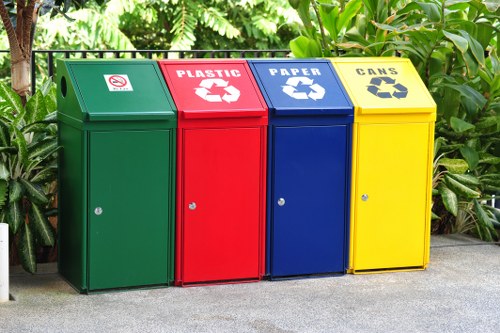 Commercial Waste Holborn is committed to building a resilient, eco-friendly waste disposal area across central London. Our approach to managing Holborn commercial waste focuses on practical, measurable action: better recycling separation, partnerships that extend reuse, and a low-carbon collection fleet designed for the compact streets of the area. This page outlines targets, local logistics, and collaborative reuse schemes that make the sustainable rubbish area of Holborn a realistic, everyday goal for businesses.
Our Sustainability Targets and Core Principles
We have set a clear recycling percentage target to drive improvements in how commercial waste in Holborn is handled: a 65% recycling rate for Holborn commercial waste by 2030. This target is backed by incremental milestones, regular reporting and investment in training for waste segregation at source. By embedding separation practices for paper, cardboard, mixed containers, glass and food waste, we make it easier for businesses to contribute to a cleaner, sustainable rubbish area and reduce landfill dependency.
Separation, Sorting and Borough Practices
Local boroughs around Holborn, including Camden and neighbouring authorities, have developed practical approaches to waste separation which inform our commercial programmes. Typical schemes emphasise: separate food-waste collection, communal dry-recycling streams for paper/cardboard and tins, and clear labelling for landlord-managed chutes and storage areas. For businesses the emphasis is on simple, consistent colour-coded containers that align with borough kerbside systems to minimise contamination and speed up processing at Materials Recovery Facilities (MRFs).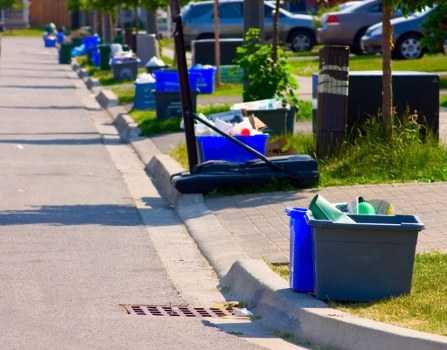 Local Transfer Stations and Material Flows The logistics backbone for an eco-friendly waste disposal area is the network of transfer stations and MRFs serving central London. Commercial Waste Holborn uses nearby central transfer hubs and licensed facilities across London to consolidate loads, improve route efficiency and ensure recyclables are delivered to high-quality processors. By routing segregated streams through appropriate local transfer stations, we reduce double-handling and lower emissions associated with truck miles.
We also emphasise reuse and repair pathways where possible. A significant portion of business-generated items—furniture, IT equipment, textiles and packaging—can be recovered through partner networks rather than entering the residual waste stream. In practice this means clearer sorting at source and timely collections that prioritise reuseable loads over general rubbish.
Partnerships with Charities and Social Enterprises
Strong links with charities and social enterprises are central to creating a sustainable rubbish area in Holborn. We coordinate with food-redistribution charities for surplus, link office clear-outs to furniture and electronics charities, and work with local social enterprises that refurbish goods for resale or training programmes. These partnerships deliver social value, reduce waste, and extend the lifecycle of items that might otherwise be discarded.Services and Practical Steps for Businesses To make participation straightforward for companies handling Commercial Waste Holborn, our programme promotes:
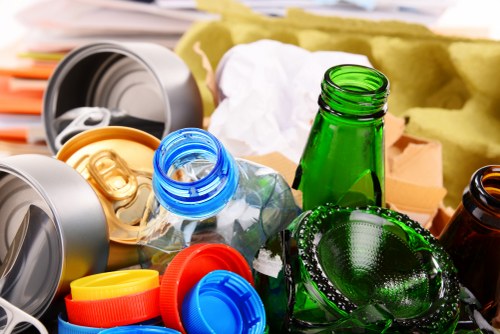
- Source segregation for paper, card, mixed containers, glass and organic waste;
- Scheduled collections that match business peak times to avoid storage issues;
- On-site audits and staff training to keep contamination rates low;
- Reuse routing for goods suitable for donation or refurbishment;
- Digital reporting and KPI dashboards tracking progress towards the recycling percentage target.
Low-Carbon Fleet and Last-Mile Solutions Our fleet strategy is designed around low-emission operations: battery-electric vans, plug-in hybrids and Euro-6 standard vehicles form the backbone of collections, supported by route-optimisation software to reduce mileage. For the narrow streets and pedestrianised zones common in Holborn, we deploy cargo bikes and smaller electric vehicles for last-mile collections—cutting noise and emissions while increasing access to businesses with limited kerbside space.
Measuring Success and Continuous Improvement
Progress is measured through quarterly performance reviews, contamination rate monitoring and audits at transfer stations. We report on the proportion of each waste stream recycled and track the percentage of diverted material that reaches reuse pathways via charity partners. Continuous improvement actions include targeted communications for sectors with higher contamination, incentives for increased recycling capture and collaborative initiatives with borough recycling schemes.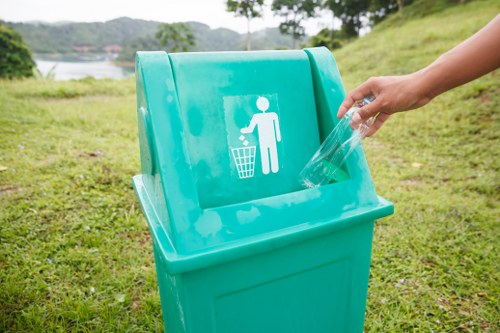 Making Holborn a Model Eco-Friendly Zone Transforming Holborn into a recognised eco-friendly waste disposal area requires collective effort. Businesses, landlords and service providers must align on clear bin signage, scheduled segregation and reuse-first thinking. By prioritising sustainable rubbish management, and by meeting our 65% recycling rate ambition, Commercial Waste Holborn contributes to cleaner streets, lower carbon emissions and more circular material flows for central London.
Get involved: adopt standardised segregation, support charity partnerships for reuse, and choose low-carbon collection options. Small operational changes—proper labelling, segregated food and dry streams, and timely donation of surplus—compound into significant environmental gains. Our role is to enable and streamline those choices, ensuring that Holborn's commercial waste activity becomes a practical example of urban sustainability.
Through measurement, local collaboration, and investment in low-emission logistics, Commercial Waste Holborn aims to make the sustainable rubbish area not just a policy statement but a day-to-day reality for businesses across the district.
