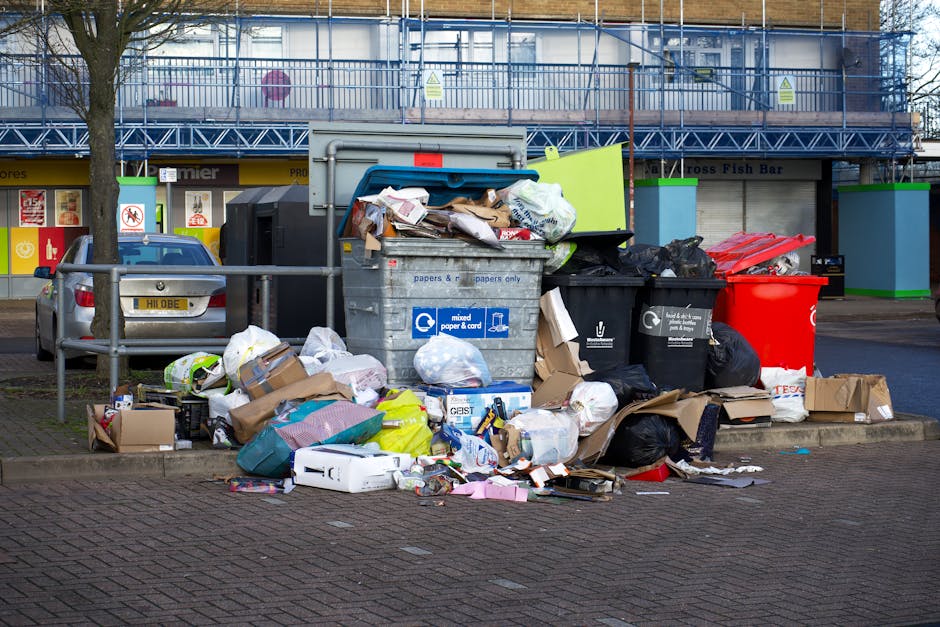
Rubbish collection for Holborn WC1 flats on Fetter Lane: a practical guide for residents, landlords and managing agents
If you live or work in a flat near Fetter Lane, you already know the awkward bits: narrow hallways, shared entrances, timed loading restrictions, and that one bulky item that seems to grow heavier every time you look at it. Rubbish collection for Holborn WC1 flats on Fetter Lane is not just about getting rid of waste; it is about doing it neatly, safely, and with as little disruption as possible. Done well, it saves time, protects common areas, and keeps neighbours on side. Done badly, it becomes a small mess that somehow turns into a bigger one.
This guide explains how flat rubbish collection works in practice, what to watch out for in a busy central London setting, and how to choose the right approach for general rubbish, furniture, appliances, or post-refurbishment waste. You will also find a checklist, a comparison table, and a few real-world pointers that help make the whole thing less stressful. Truth be told, most people just want the job done without drama. Fair enough.
Why rubbish collection matters in Holborn WC1 flats on Fetter Lane
Flats in central London present a different set of waste challenges from houses. Space is tighter. Access is often shared. There may be lift rules, concierge procedures, or loading constraints outside. And when rubbish sits in a communal corridor for too long, everyone notices. The smell, the clutter, the sense that the building has slipped a little. Nobody wants that.
On Fetter Lane and the surrounding WC1 area, rubbish collection has to be efficient because the environment is busy and the margin for inconvenience is small. Residents often need a service that can handle mixed waste quickly, whether that means end-of-tenancy clearances, old furniture, broken appliances, or the aftermath of a flat refresh. Managing agents and landlords need something equally practical: a collection method that reduces complaints and leaves communal areas clean.
There is also a simple financial angle. If waste builds up in a flat, it can lead to extra handling time, missed move-out deadlines, or last-minute panic. A tidy, planned collection is usually cheaper in real life than a rushed one. You avoid the "we'll just deal with it later" trap, which, let's face it, is never actually free.
Expert summary: In compact London flats, rubbish collection works best when it is planned around access, item type, and building rules. The goal is not just removal, but smooth removal.
How rubbish collection for Holborn WC1 flats on Fetter Lane works
At a practical level, flat rubbish collection usually follows a simple sequence. A customer identifies what needs removing, checks whether any items need special handling, and books a collection window. The collection team then arrives, assesses access, loads the waste, and removes it for sorting, recycling, or disposal.
That sounds straightforward, and often it is. But the details matter. In a flat, access can mean carrying items downstairs, navigating a lift, or working within a short parking window. If you have ever tried to move a wardrobe through a Victorian-style stairwell at 8:30 in the morning, you will know why planning matters.
Depending on the job, a collection may involve:
- General household rubbish and bagged waste
- Bulky items such as sofas, beds, or wardrobes
- White goods and appliances
- Flat clearance after a move-out
- Light renovation debris
- Office-related waste from live-work flats or mixed-use properties
If the waste includes furniture, it can be useful to look at furniture disposal or furniture clearance depending on whether you are removing one item or clearing several. For more general load types, waste removal gives a broader option that fits mixed rubbish.
In some cases, the collection may be part of a larger flat clear-out. That can happen after a tenancy change, probate-related clean-up, or a long-overdue declutter. A dedicated flat clearance service is often the better fit there, because it is designed for the realities of apartments rather than open-access properties.
Key benefits and practical advantages
The main benefit is obvious: the rubbish leaves. But the real advantages go beyond that. A good collection service protects your time, your neighbours' patience, and the condition of the building itself.
Less disruption. In a flat, moving waste in one planned visit is usually far better than multiple trips with bags and boxes. You avoid clogging hallways or leaving items in communal space overnight.
Better handling of bulky items. Sofas, mattresses, fridge-freezers, and awkward furniture are difficult in flats because of corners and stairs. Professional removal cuts the faff. It also reduces the chance of scratching walls or damaging shared entrances.
Clearer recycling outcomes. Many waste streams can be separated more effectively when the collection is organised properly. If sustainability matters to you, it should matter here too. Have a look at recycling and sustainability for a sense of how responsible disposal sits alongside convenience.
Less stress for landlords and agents. Emptying a flat before new tenants arrive is usually on a tight schedule. A dependable rubbish collection helps keep the handover clean and on time.
More control over cost. When you know what is being removed and how accessible it is, it is easier to compare options and avoid surprise charges. If you are still weighing up the numbers, pricing and quotes is a sensible place to start.
Who this is for and when it makes sense
This kind of service is not only for people in a complete mess. Far from it. It is useful for a wide range of everyday situations:
- Residents clearing a flat before a move
- Landlords preparing a rental property between tenancies
- Letting agents handling abandoned items
- Flat owners doing a seasonal declutter
- People replacing furniture or appliances
- Home workers removing old office equipment from a one-bedroom flat
- Small renovation projects that generate mixed waste
It also makes sense when you need more than a standard bin collection but less than a full skip. Not every job justifies a skip, especially where space and permits are awkward. If you are unsure what can and cannot go in one, what can go in a skip helps you compare the idea against your actual waste.
For furniture-heavy situations, it may be worth comparing mattress and sofa disposal with broader furniture collection. Different items, different headaches. A mattress is not a bedside table, obviously, but people do sometimes try to treat them as if they are the same problem.
And if the flat has a lot of leftover belongings rather than ordinary rubbish, home clearance or house clearance may be more appropriate depending on the scale of the job.
Step-by-step guidance
Here is the most sensible way to handle rubbish collection in a Holborn WC1 flat without making a mountain out of a bin bag.
- Sort the waste by type. Separate general rubbish, furniture, appliances, and anything potentially hazardous. The more clearly you sort, the smoother the collection.
- Check access in the building. Measure awkward items, note stair width, and think about whether the lift can be used. A few minutes of checking saves a lot of muttering later.
- List any special items. Fridges, freezers, electricals, mattresses, and sofas may need specific handling. If you have white goods, see fridge and appliance removal.
- Decide whether you need a partial or full clearance. One broken bed frame is not the same as a full flat strip-out. Choose the service to match the job.
- Book a suitable time slot. In central London, timing matters. A quieter window can make the whole process easier for everyone involved.
- Prepare the items for easy collection. Put bagged rubbish together, unplug appliances, and clear a route to the exit where possible.
- Confirm what happens to the waste. Responsible services should sort items for recycling where possible and handle restricted items correctly.
If you are dealing with a broader clear-out, a service such as home clearance can be a better operational fit than arranging several smaller removals. Fewer moving parts, fewer chances for something to go sideways.
A small but useful habit: label piles if the flat is being cleared by family, tenants, or an agent. A quick sticky note on a box can prevent confusion, and confusion is what eats time.
Expert tips for better results
Most of the pain points in flat rubbish collection are avoidable. In our experience, the job goes much better when you think like the crew that has to carry the items out.
Keep the route clear. Shoes by the door, recycling bags in the hallway, a pram wedged near the lift-small obstacles become annoying fast. Clearing the path speeds things up and protects the building.
Group similar items together. Put soft furnishings in one area, boxes in another, and anything sharp or broken in a safe, visible spot. This is especially helpful in compact flats where space is already tight.
Avoid last-minute sorting on the day. That's the classic mistake. You think, "We'll just decide as we go," and then suddenly there is a second pile in the kitchen and nobody remembers which lamp belongs where.
Think about neighbours. Try to avoid noisy dragging late at night or first thing on a Sunday morning. Shared buildings run better on basic courtesy, simple as that.
Ask about insurance and handling standards. A reputable provider should be able to explain how they work safely in communal buildings. If you want to understand the kind of reassurance to look for, insurance and safety and the health and safety policy pages are worth a look.
Separate confidential material early. Flats often end up with paperwork, old files, and household documents tucked into drawers. If there is sensitive material, confidential shredding is a much better route than tossing papers into general waste.
One more thing: if you are clearing a flat after refurbishment, don't mix builder's rubble with household rubbish unless you know the service can take it. Mixed waste is manageable, but only when identified properly. For those jobs, builders waste clearance is more relevant.
Common mistakes to avoid
Some mistakes are tiny, some are expensive. The good news is that most of them are easy to sidestep once you know what to look for.
- Leaving waste in communal areas too long. It causes complaints and can create access issues.
- Guessing item sizes. An item that looks small in a bedroom can become a nuisance at the stairwell.
- Mixing hazardous and general waste. Paint, chemicals, batteries, and certain electrical items need special attention. If in doubt, use hazardous waste disposal.
- Assuming every service handles the same waste. They do not. Always match the service to the material.
- Forgetting about lift or concierge rules. In a managed building, access is often more structured than people expect.
- Not checking for reusable items. Some furniture may still have life left in it. If you are deciding between disposal and removal, furniture clearance can help frame the choice.
There is also a tendency to overbook the job by default. People think they need a huge clearance when, in reality, a focused rubbish collection would do the trick. That is worth checking before you commit.
Tools, resources and recommendations
You do not need fancy kit to organise a flat collection, but a few simple tools make life easier.
- Large refuse sacks or sturdy boxes for separating loose rubbish
- Labels or masking tape for marking categories
- Basic tape measure for checking bulky items against doorways and lifts
- Phone photos to record what needs removing if you are coordinating with a landlord or agent
- Gloves and proper footwear if you are moving items yourself before collection
For larger domestic clear-outs, it can be helpful to compare furniture disposal, flat clearance, and home clearance side by side. Each one suits a different level of clutter and a different kind of access challenge.
If you are dealing with a mix of household items and office materials from a work-from-home setup, office clearance may also be relevant. Central London flats often contain a bit of everything now-desk, printer, spare chair, piles of cables. The modern life mix, basically.
Law, compliance, standards and best practice
Waste collection in England is governed by general legal duties around correct disposal, duty of care, and safe handling. You do not need to become a compliance expert to clear a flat, but you should understand the basics. If waste is removed by a contractor, it should go to an appropriate facility and be handled in line with the material type.
For residents, the practical takeaway is simple: do not hand over waste to someone who cannot explain what happens next. Responsible collection is not just about lifting items out of a flat. It is about where they go afterwards, how recyclable materials are separated, and how restricted items are managed.
For landlords and agents, keeping records of collections can help show that waste was handled properly, especially during end-of-tenancy work or refurbishment. This does not need to be complicated. A basic booking record, description of the load, and confirmation of removal can be enough for everyday management.
Good practice also includes safe manual handling, protection of communal areas, and clear communication with residents or building staff. If your building has an access procedure, follow it. It sounds obvious, but the obvious stuff saves the most trouble.
Where applicable, the provider should also be able to explain payment handling, service terms, and complaint routes. Those matter more than people realise. If you want to review them, the site pages for terms and conditions, payment and security, and the complaints procedure are useful reference points.
Options, methods and comparison table
Choosing the right method comes down to speed, access, item type, and how much waste you actually have. Here is a straightforward comparison.
| Option | Best for | Pros | Watch-outs |
|---|---|---|---|
| Bagged rubbish collection | General household waste, light decluttering | Fast, tidy, low disruption | Not ideal for large or heavy items |
| Bulky item removal | Sofas, mattresses, wardrobes, appliances | Handles awkward items safely | Access and stair width matter |
| Flat clearance | End-of-tenancy, probate, full declutter | More comprehensive and efficient | Needs more planning and possibly more time |
| Builders waste clearance | Light refurb waste, fittings, packaging, rubble | Useful for renovation work | Must separate prohibited or hazardous materials |
| Skip alternative planning | Projects where a skip is possible but access is tricky | Can be simpler than managing a permit or street placement | Check item limits with what can go in a skip |
In a busy place like Fetter Lane, many flat residents find that direct collection beats a skip for convenience. A skip is not always impractical, but it is often overkill for a flat with limited frontage. The right choice is the one that fits the building, not the one that looks easiest on paper.
Case study or real-world example
Here is a realistic example from the kind of job that comes up all the time. A one-bedroom flat near Fetter Lane needed clearing after a long tenancy. The resident had already separated clothes, kitchen waste, and a few sentimental bits. What remained was a broken bed base, a chest of drawers, a small fridge, and several bags of mixed rubbish from the hallway cupboard.
On the face of it, the job looked simple. But there was a tight stairwell, a shared entrance, and a narrow time window because of building access rules. The sensible move was to treat it as a flat clearance with appliance removal rather than a standard rubbish pickup. That meant the fridge could be handled properly, the bulky furniture could be taken out safely, and the bags could be loaded in one clean visit.
The useful lesson? Most of the stress came from access, not volume. Once the route was clear and the waste was grouped properly, the rest of the job was fairly ordinary. Not glamorous, but ordinary is exactly what you want in this situation.
A small detail stood out as well: the resident had taken two photos of the items before collection. Nothing fancy. Just enough to confirm what was leaving the flat and keep everyone aligned. That tiny bit of prep saved time and avoided a back-and-forth on the day. Good habit, really.
Practical checklist
Use this before booking rubbish collection for a flat on Fetter Lane or anywhere nearby.
- Identify all waste types in the flat
- Separate furniture, appliances, general rubbish, and any hazardous items
- Check lift access, stairs, and doorway widths
- Confirm building rules or concierge requirements
- Decide whether you need rubbish collection, furniture disposal, or a full flat clearance
- Remove any confidential papers for shredding
- Keep communal routes clear on the day
- Ask how recyclable items are handled
- Review pricing, payment, and service terms
- Take quick photos if you are coordinating with an agent or landlord
One practical tip: if the flat is being emptied for a move, do the kitchen last. Kitchen cupboards always seem to produce two extra bags and at least one mystery cable. Every time.
Get a free quote today and see how much you can save.
Conclusion
Rubbish collection for Holborn WC1 flats on Fetter Lane is best approached as a planning job, not just a lifting job. When you think about access, item type, and building rules in advance, the process becomes faster, tidier, and far less annoying for everyone involved. That matters in central London, where space is limited and people notice when things are handled well.
Whether you are clearing a single sofa, removing a mix of household waste, or preparing a flat for new tenants, the right service should make the work feel straightforward. Not effortless, because real life rarely is, but manageable. And that is the real win.
Choose carefully, prepare a little, and the rest tends to fall into place. There is something reassuring about that, honestly.
Frequently Asked Questions
What does rubbish collection for a flat on Fetter Lane usually include?
It usually includes general household rubbish, bagged waste, bulky items, furniture, and sometimes appliances or light renovation waste. The exact scope depends on the service you choose.
Is flat rubbish collection better than hiring a skip in Holborn WC1?
Often, yes. In a flat with limited access or no easy place for skip placement, collection is usually simpler and less disruptive. A skip can still make sense for larger jobs, but it is not always the most practical choice.
Can I include sofas, beds, and mattresses in the collection?
Yes, usually. Those items are common in flat clear-outs. For specifically bulky soft furnishings, mattress and sofa disposal is especially relevant.
What should I do with a fridge or washing machine?
These should be listed in advance because appliances can need different handling from ordinary rubbish. Fridge and appliance removal is the better fit for those items.
How do I prepare a flat before rubbish collection?
Sort waste by type, clear the route to the door, remove any confidential documents, and check building access. A little preparation goes a long way, especially in shared buildings.
Do I need to be present during the collection?
Usually it helps, especially if the team needs access through a concierge desk, a locked building entrance, or a specific route. Some jobs can be arranged with a key holder or agent, but that depends on the setup.
What happens if I have mixed waste and furniture together?
That is very common. Mixed waste can usually be handled, but it helps to separate items where possible so the collection is quicker and disposal is cleaner.
Are there items that cannot go in ordinary rubbish collection?
Yes. Hazardous materials, certain chemicals, and some restricted items need special handling. If you are unsure, hazardous waste disposal is the safer route.
How much space do I need to book a collection for a flat?
You do not need much internal space, but access matters. Stair width, lift size, and any loading restrictions are usually more important than the flat size itself.
Can landlords and letting agents use this service between tenancies?
Absolutely. It is one of the most common use cases. End-of-tenancy rubbish collection and flat clearance help get a property ready quickly without leaving loose waste behind.
What if I only have a few items?
That is fine too. Small collections are often the most efficient. You do not need a full clearance if all you have is a couple of bags and one broken chair.
How do I know whether I need waste removal or flat clearance?
If the job is a few items, waste removal is usually enough. If you are clearing most or all of the flat, or dealing with a larger mix of belongings, flat clearance makes more sense.
Where can I find more about the company and its policies?
You can review the about us page, along with the service terms, safety details, and sustainability information. Those pages are useful if you want to understand the approach before booking.