Commercial Waste Health & Safety Policy for Commercial Waste Holborn
This Health and Safety policy sets out the commitment of Commercial Waste Holborn and affiliated rubbish company operations to maintain safe working conditions for employees, contractors and the public. The policy applies to all activities related to commercial waste collection, commercial rubbish disposal, and associated waste management services in our service area. It describes responsibilities, safe systems of work, and the arrangements in place to control risks arising from routine and non-routine activities performed by our waste and rubbish collection teams.
 The objectives are to prevent workplace injury, reduce occupational ill health, and ensure compliance with applicable health and safety obligations. This document outlines how risk assessments are used to inform safe methods, how staff are trained and equipped, and how we manage vehicles, containers and on-site handling to deliver reliable Holborn waste services without compromise to safety. It is intended for managers, drivers, loaders, site supervisors and on-call personnel.
All staff and subcontractors must understand their roles. Management will ensure adequate resources, provide competent supervision and maintain safety systems. Employees have a duty to follow safe working procedures, wear required personal protective equipment (PPE), report hazards and take reasonable care for the safety of themselves and others. The company will not tolerate non-compliance with safety-critical rules such as driving under fatigue, unsafe lifting or bypassing containment controls.
 Risk assessments will be carried out for all routine tasks (vehicle loading, container swap-outs, recycling separation) and for non-routine operations (site-specific clearances, bulky waste removal). Assessments identify hazards, evaluate risks and set control measures using the hierarchy of controls: elimination, substitution, engineering controls, administrative measures and PPE. Assessments will be reviewed after incidents, changes to operations, or periodically at planned intervals.
Training and competence are essential. Induction training covers basic safety, manual handling, sharps awareness, and segregation rules for hazardous waste. Drivers and operatives receive specific instruction on vehicle stability, safe reversing, and mechanical lifting systems. Refresher training, toolbox talks and on-the-job assessments maintain standards. The company keeps records of training, qualifications and competency checks.
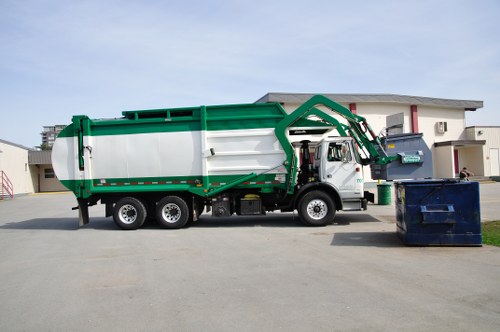
Safe vehicles and plant are central to our rubbish collection and commercial waste operations. Maintenance schedules are documented and defects are reported immediately. Vehicles will not be used if they create a safety risk. Loading plans and load restraint procedures are in place to prevent shifting loads and spillage. Fuel and hazardous substance controls apply to servicing and transfer activities to avoid fire and environmental incidents.
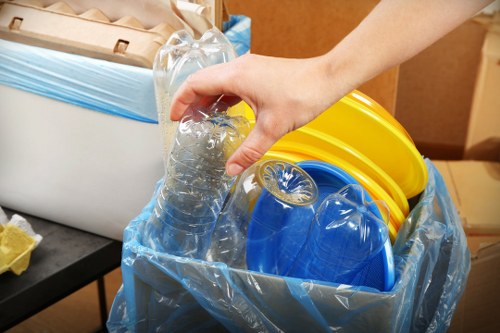
 Waste handling and segregation procedures support both safety and environmental performance. Staff must follow clear protocols for separating general refuse, recycling, clinical or hazardous wastes and electronics. Containers and sacks are labelled and inspected; damaged receptacles are taken out of service until repaired. Sharps and hazardous materials are handled only by trained personnel with appropriate protective measures.
 The policy requires the following practical controls to be applied consistently:
- Risk assessment and safe systems documented for all tasks.
- Use of appropriate PPE including gloves, high-visibility clothing, safety footwear and eye protection.
- Vehicle checks and pre-start inspections before every shift.
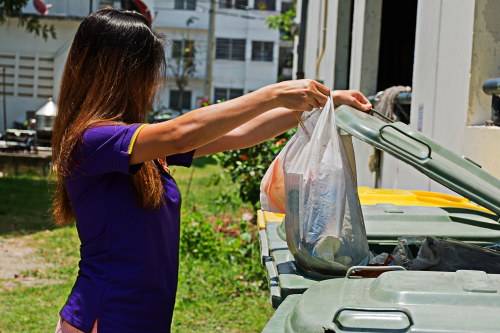
- Manual handling controls: team lifts, mechanical aids and minimal manual contact with waste.
- Clear traffic management plans for operational sites and customer premises.
Incident reporting and emergency response arrangements are maintained to ensure quick, proportionate action. All incidents, near misses and dangerous occurrences linked to rubbish collection, transfers or depot activities must be reported through the established reporting system. The company will investigate, record findings and implement corrective actions to prevent recurrence. Emergency procedures include first aid, spill containment, fire response and coordination with emergency services where necessary.
Monitoring, auditing and performance review keep the policy effective. Routine inspections, driver route observations and management audits provide assurance that Holborn waste services and commercial rubbish disposal are delivered safely. Key performance indicators include incident rates, training completion, equipment maintenance compliance, and corrective action closure times. Findings are fed back to staff and used to improve processes.
Subcontractors and partners must comply with this policy and demonstrate equivalent standards. The company selects contractors based on their health and safety performance and requires them to operate within defined controls. Regular liaison ensures consistent application of procedures across the rubbish company supply chain.
Record keeping and documentation are important for legal compliance and continuous improvement. The company retains risk assessments, training records, maintenance logs and incident reports for prescribed periods. These records support regulatory inspections and internal reviews and are used to guide policy revisions.
Policy review is scheduled at least annually or after significant operational changes or incidents. Changes to legislation, industry best practice and client needs will be considered when updating the policy. Responsibility for policy maintenance rests with senior management, who will ensure the policy remains relevant to evolving commercial waste and rubbish collection operations.
